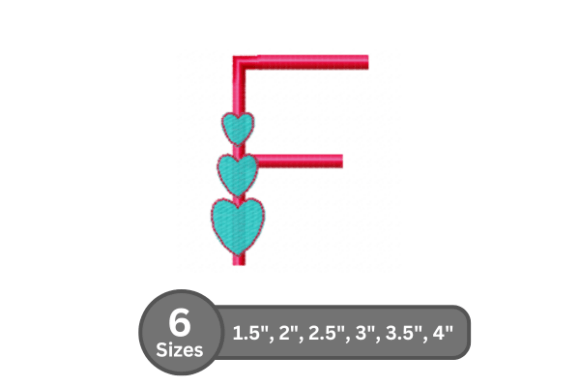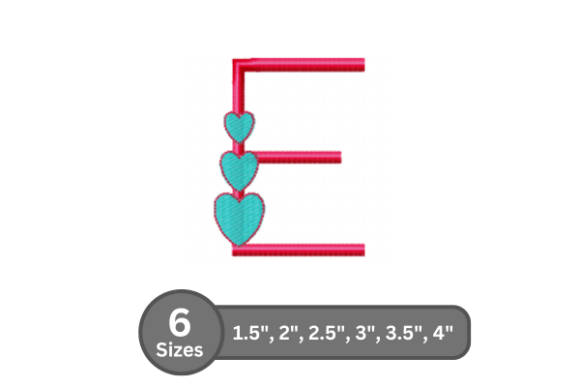
Candy Heart Alphabet -E: A Stitch-Perfect Embroidery Typeface
In the world of textile design and custom merchandise, typography isn't just about pixels on a screen; it's about physical texture and thread tension. When you move from digital design to embroidery, the rules change entirely. Not every premium font survives the transition from paper to fabric. This is where the Candy Heart Alphabet -E steps in. It is a specialized creative font designed specifically for fill stitch embroidery. If you are looking to add a classic, bold stitched look to your projects, understanding how this typeface functions is key to achieving professional results on your embroidery machine.
The Anatomy of a Fill Stitch Font
Unlike standard digital typography used in web design or editorial design, the Candy Heart Alphabet -E has been carefully digitized to handle the physical limitations of needle and thread. The defining characteristic of this font is its fill stitch construction. Instead of relying on a simple satin stitch (which works for narrow elements but creates bird-nesting on wider shapes), this font uses dense rows of stitches to fill the letterforms.
Visually, this creates a rich, textured surface that mimics the look of hand-embroidered cross-stitch or needlepoint, but with the precision of a machine. The Candy Heart Alphabet -E is not a script font or a handwritten font in the traditional sense; it is a display font with a blocky, structural personality. It offers a bold presence that stands out on heavy fabrics like denim, canvas, and towels. Because the design has been optimized for smooth stitching, you avoid the thread breaks and puckering that often plague lesser quality embroidery files.
Practical Applications: From Monograms to Brand Identity
The versatility of the Candy Heart Alphabet -E makes it a valuable asset for various creative industries. For small business owners and entrepreneurs, consistency is vital for brand identity. If you are selling custom merchandise—whether it’s baseball caps, tote bags, or polo shirts—this font provides a standardized, professional look. It bridges the gap between modern typography and traditional craft.
Here are specific scenarios where this font excels:
- Corporate Branding: Use this font for company uniforms. It offers the legibility required for logos while maintaining a durable, high-quality finish that withstands industrial washing.
- Home Décor: The bold structure makes it ideal for monograms on pillows, blankets, and towels. The fill stitch adds weight to the fabric, giving the item a luxurious, high-end feel.
- Packaging Design Elements: For physical products, using embroidered patches with the Candy Heart Alphabet -E can elevate packaging design, turning a simple box into a keepsake.
- Personalized Gifts: For crafters and hobbyists, the ability to easily resize letters allows for custom names on children’s clothing or personalized gifts for weddings and baby showers.
Design Strategy: Pairing and Hierarchy
While the Candy Heart Alphabet -E is a powerhouse on its own, strategic font pairing can elevate your design. Because this is a bold, structured display font, it works best when paired with a simpler companion. In the context of embroidery, "pairing" often means combining different stitch styles.
For example, if you are creating a logo that includes a name and a tagline, you might use the Candy Heart Alphabet -E for the name to ensure it pops. For the tagline, you could use a standard satin stitch sans serif font or a serif font. This contrast creates a clear visual hierarchy, guiding the viewer's eye to the most important information first. Avoid pairing it with another complex display font or a highly decorative script font, as the textures will compete and make the embroidery look cluttered.
Readability in embroidery is heavily dependent on size. The Candy Heart Alphabet -E comes in multiple sizes, which is a crucial feature. A common mistake in logo design for textiles is scaling a design too small. However, fill stitch fonts require a minimum size to maintain clarity. You should always test stitch a sample letter at your intended size to ensure the stitches don't blend into an unreadable blob, particularly on textured fabrics like piqué knit.
Evaluating the Asset for Commercial Use
For designers and content creators, treating this font as a design asset is smart practice. When evaluating the Candy Heart Alphabet -E for commercial projects, look beyond the aesthetic. Check the technical aspects of the digitizing. Good digitizing means the "pull compensation" is built-in—meaning the font will look the right size once the thread pulls the fabric slightly inward.
Furthermore, consider the licensing. If you are a marketer or publisher creating merchandise for a client, you need to ensure the font comes with a commercial font license that covers physical end products. The Candy Heart Alphabet -E is designed for this exact purpose, allowing you to monetize your creativity without legal headaches. It is a creative font that respects the technical demands of production, making it a reliable choice for anyone serious about textile customization.