Personalize Any Fabric with Tahoma Fonts Embroidery Design
When you need a typeface that balances technical precision with human warmth, few options bridge that gap as effectively as Tahoma. Originally designed for screen legibility, its characteristics translate surprisingly well into the tactile world of textiles. Using the Tahoma Fonts Embroidery Design file set allows you to bring that familiar, clean, and highly readable aesthetic to physical products. This isn't just about slapping text onto a polo shirt; it's about using a typeface with built-in recognition and neutrality to elevate your work without overpowering it.
The Visual Character of a Screen-Born Classic
Tahoma is a sans serif font, specifically engineered to maintain clarity at small sizes on low-resolution screens. In embroidery, this origin story becomes a distinct advantage. The letterforms feature slightly condensed proportions and a generous x-height, meaning the lowercase letters are taller relative to the capitals. This creates a visual density that holds up well against the texture of thread. The strokes are even, with minimal contrast, avoiding the thick-thin transitions that can sometimes cause issues with needle penetration on certain fabrics.
Its personality is often described as approachable yet professional. It lacks the stark, architectural severity of fonts like Futura or the friendly roundness of Gill Sans. Instead, it sits in a pragmatic middle ground. This makes it an incredibly versatile creative font for projects where legibility is non-negotiable but a sterile corporate feel is undesirable. Whether you're stitching a name on a chef's coat or adding a date to a commemorative quilt, Tahoma provides a voice that is clear, direct, and unpretentious.
Where This Embroidery Font Truly Excels
Understanding where to deploy a tool is as important as knowing how to use it. The Tahoma Fonts Embroidery Design shines in specific applications where its strengths solve common problems.
- Corporate and Team Branding: For logos on uniforms, caps, or bags, Tahoma offers the neutrality required for brand identity. It ensures names and titles are instantly readable from a distance, which is critical for events, staff identification, and promotional merchandise.
- Personalization Services: If you run a small business offering monogramming or custom gifts, this font is a workhorse. Its clarity makes it perfect for stitching names on backpacks, towels, or baby blankets. Customers recognize the style, which builds trust in the quality of your work.
- Technical and Instructional Text: Think beyond decorative scripts. Use Tahoma for care labels sewn into handmade garments, instructional tags on craft kits, or identifying markers on quilts. Its function-first design prioritizes communication.
- Modern Editorial and Packaging: In the realm of packaging design or editorial design, where you might use embroidery as a tactile element on a book cover or a product box, Tahoma provides a contemporary, digital-native aesthetic that pairs well with minimalist layouts.
It’s less suited for projects demanding high drama or whimsy. You wouldn’t choose Tahoma for a Renaissance fair banner or a child’s birthday party invitation where a script font or handwritten font would be more appropriate. Its strength is in its utility and modern appeal.
Practical Guidance for Implementation and Pairing
Integrating any new design asset into your workflow requires a thoughtful approach. Here’s how to get the most out of this specific embroidery set.
Evaluating Fit and Readability
Before you stabilize your hoop, consider the fabric. Tahoma’s even strokes work beautifully on medium-weight cotton, denim, twill, and fleece. On very loose-weave fabrics like linen, you may need to use a heavier stabilizer to prevent the letters from sinking in and losing definition. Always conduct a test stitch on a scrap of your final material. Check the stitch density—the provided PDF with full dimension details is invaluable here. A complex letterform with too many stitches can pucker delicate fabrics.
Exploring Font Pairings
A single typeface can carry a design, but pairing it thoughtfully creates hierarchy and interest. Because Tahoma is a sans serif font, it pairs exceptionally well with a serif font for contrast. Imagine a company name stitched in a traditional serif like Times New Roman, with contact information beneath it in clean Tahoma. This combination leverages the authority of the serif with the modern clarity of the sans serif.
For a more dynamic feel, consider pairing it with a subtle script font. Use the script for a decorative first name or a key word, and Tahoma for the supporting details. The key is to let Tahoma do the heavy lifting for any text that must be read quickly and accurately.
Leveraging the File Set
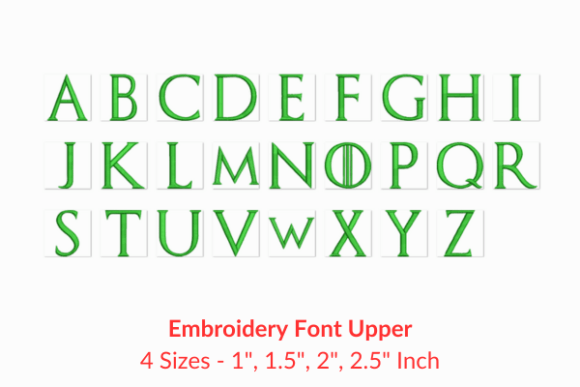
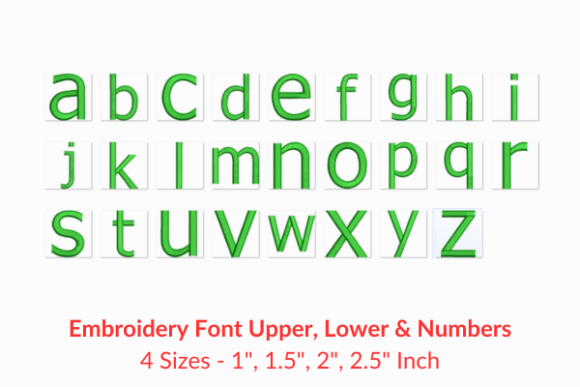
This download is more than a single typeface; it’s a comprehensive kit. The inclusion of multiple embroidery file formats ensures compatibility with most major machines, from Brother and Bernina to Janome and Husqvarna. The fact that it includes 292 letters—covering upper and lowercase, numbers, and common punctuation—means you can tackle virtually any text-based project without hunting for supplementary characters. The size and stitch information provided for the letter “A” and “a” gives you a concrete starting point for estimating thread consumption and project time.
Treating this premium font as a core component of your toolkit, rather than a one-off novelty, will yield the best return. Its reliability and professional finish make it a foundational asset for anyone serious about producing high-quality, personalized textile work. Whether you’re a hobbyist adding a personal touch or a business owner standardizing your merchandise, the Tahoma Fonts Embroidery Design offers a blend of practicality and polish that few other options can match.