Pricing Catalogue Templates: Elevate Your Brand
In the competitive landscape of wholesale and B2B sales, a static price list is often a missed opportunity. It’s not just about listing numbers; it’s about presenting your brand with the same care and precision as your products. A well-structured, visually compelling catalog acts as a silent salesperson, guiding potential buyers through your offerings with clarity and style. This is where a thoughtfully designed Pricing Catalogue Template becomes an indispensable asset for your business toolkit.
The Anatomy of an Effective Wholesale Catalog
A great template does more than hold data. It creates a visual hierarchy that naturally leads the eye from your hero products to their specifications and, finally, to the pricing information. Think of it as a curated experience. The personality of your catalog should mirror your brand identity—whether that’s minimalist and modern, warm and artisanal, or bold and graphic. The overall appeal lies in its professionalism; a clean, well-organized layout immediately builds trust with retailers, signaling that you are a serious and reliable partner. It transforms a simple price list into a powerful design asset that reinforces your brand story on every page.
Practical Applications Across Your Business
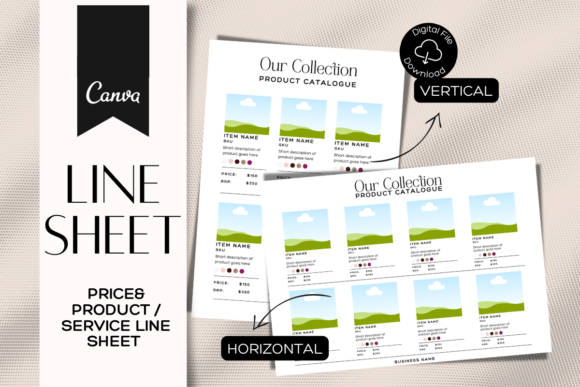
The versatility of an editable Pricing Catalogue Template extends far beyond a single use. Consider its applications in your brand identity and marketing strategy. Use it to create polished line sheets for trade shows, email attachments for buyer outreach, or downloadable PDFs on your wholesale website. For content creators and bloggers, it can serve as a rate card for sponsorship and collaboration packages. Designers and marketers can leverage the same template structure for client-facing project quotes and service menus. Its role in editorial design is also key, ensuring that product features and benefits are communicated with the same editorial flair as a magazine spread, making your catalog a piece of premium content in itself.
Key Features for Maximum Flexibility
The true power of a modern template lies in its editability. A robust template package, like the one described, offers critical features that save time and ensure consistency. You can upload your own photos, change text and fonts, and apply your brand’s exact color palette. The ability to duplicate and rearrange pages is crucial for creating catalogs that fit different product lines or seasonal collections. Accessibility is another major factor. Being able to edit directly in a platform like Canva, without needing a commercial font subscription or advanced software, empowers entrepreneurs and small teams. This means you can update your catalog from your laptop or even your phone, making last-minute revisions before a big meeting effortless.
Choosing and Customizing Your Template
When selecting a template, evaluate its structure against your product range. Do you need space for multiple color variants? Does the layout accommodate both short and long product descriptions without looking cluttered? Test the font pairing included—does the combination of a clean sans serif font for body text and a complementary display font for headings align with your brand’s voice? Ensure the readability is excellent across both print and digital formats. The best templates offer a balanced mix of style and function, acting as a creative font and layout system that you can make your own. Remember, the goal is not to use the template as-is, but to use its professional framework as a springboard for your unique brand identity.
Building Recognition and Professionalism
Consistency is the cornerstone of brand recognition. By using a single, customizable template for all your wholesale communications, you create a cohesive visual language. Retailers will begin to recognize your catalog format instantly, associating it with the quality and reliability of your products. This consistency in web design (for digital catalogs) and print elevates your perceived professionalism, making you stand out in a crowded inbox or at a busy trade show. It’s a strategic move that influences how buyers perceive your business, turning a simple transactional document into a tool for building lasting relationships and driving engagement.